
WHAT TO BRING ON A WHALE WATCHING TOUR IN OCEANSIDE: A SUMMER PACKING LIST
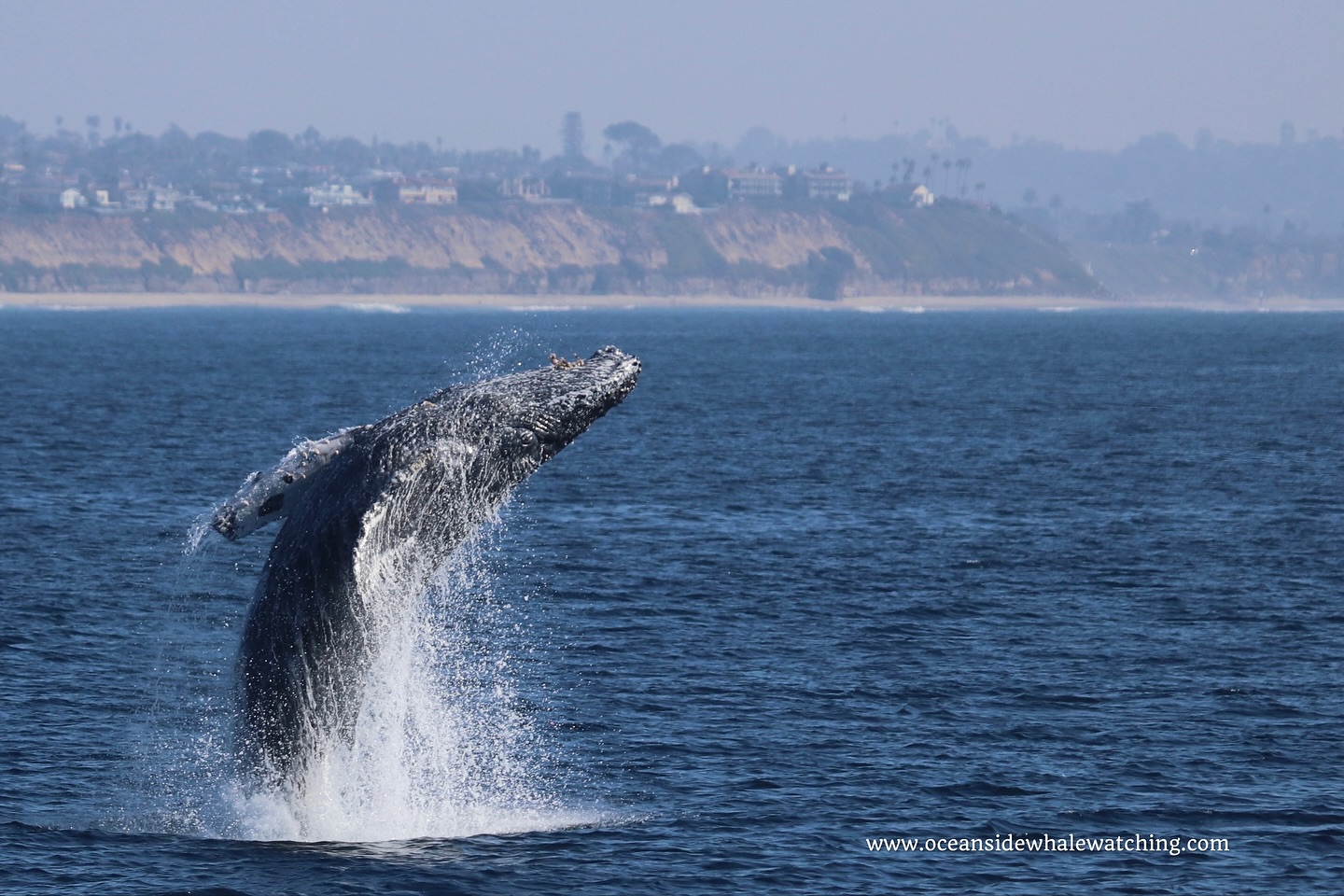
Summer whale watching out of Oceanside Harbor is the easiest version of the trip all year. The water is warm, the swell is small, and on most mornings you can see all the way to the horizon. But it is also the season we see guests show up the most under-prepared. They pack like they’re going to a beach day, then spend half the trip cold or squinting at the surface.
Here is the actual summer packing list we hand our friends and family before they come down to the harbor. It is shorter than you might expect, but every item earns its place on a two-hour catamaran trip out of Oceanside.
The Short List
- Polarized sunglasses
- A light long-sleeve layer plus a windbreaker or thin shell
- A hat (ideally with a chin strap)
- Closed-toe shoes with grip
- Reef-safe sunscreen, applied before boarding and reapplied once
- A reusable water bottle
- Camera or phone (with a wrist strap or lanyard)
- A small bag to carry it all
- Seasickness medication if you are motion-sensitive
- Cash for the crew tip jar
Below is the rationale for each item, plus the things people pack that they regret.
Polarized Sunglasses
The single highest-leverage item on the list. Polarized lenses cut surface glare off the ocean. That means three different things on a whale watching trip: you can see the dark shape of a whale six feet below the surface, you can spot the silver flash of a baitball that draws dolphins, and you avoid the headache that comes from two hours of sun bouncing off the water.
Any pair works. The bargain pair from a gas station is better than no polarized lens. If you ask our captains what they bring on a trip with only one item, the answer is polarized sunglasses every single time.
Light Layers, Even in Summer
This is where almost every first-timer gets caught. The freeway thermometer says 85 degrees. You walk down Harbor Drive South in a t-shirt. Twenty minutes later the catamaran is offshore in a 12-knot westerly and you are freezing.
The combination of moving boat, sea breeze, and the temperature differential between sun-warmed skin and ocean air strips heat fast. Bring a lightweight long-sleeve layer plus a thin windbreaker or shell. You can ball both up to nothing when you don’t need them, and you’ll be glad you have them the moment the boat picks up speed for the return run.
For the full season-by-season breakdown, our what-to-wear guide covers all four seasons.
A Hat (Chin Strap Preferred)
Wide-brim sun hat for maximum shade, baseball cap for maximum sight lines. Either works on a catamaran. The risk: a 15-knot gust off the bow will take a hat the moment you lean over the rail to watch a whale. Three options solve the problem:
- A hat with a chin strap or cord
- A cheap hat you don’t mind losing overboard
- The hood of your windbreaker instead of a hat
The hood is the most underrated choice. It tightens against your head, gives you sun protection, and never blows off.
Closed-Toe Shoes With Grip
Flip flops are not your friend on a moving catamaran deck. The boat moves, your foot needs to plant. Sneakers, deck shoes, or sandals with a heel strap and a flat rubber sole all work. Heels, slides, and anything backless create the same problem: they slide on a damp fiberglass deck the moment a swell rolls through.
Reef-Safe Sunscreen
Reef-safe matters because the runoff from the deck and the spray off the harbor goes right back into the same nearshore ecosystem that supports a lot of what you came out to see. Beyond the environmental angle: the sun off the water doubles your exposure, and the breeze hides the burn the entire time. People walk off the dock at the end of the trip looking like cooked lobsters because the wind was masking the heat. Apply before you board, reapply once during the trip, and you’ll be fine.
A Reusable Water Bottle
Hydration on a sunny boat trip is underrated. NALA has water available on board but bringing your own means you don’t have to step away from the rail when the captain calls a sighting. Keep it next to you, sip throughout the trip.
Camera or Phone (With a Strap)
Phone photos of whales are surprisingly good. The animals are big enough that even at 50 to 100 yards, modern phone cameras resolve them well. A dedicated camera with a 70-200mm zoom is nicer if you have it. The one thing both need: a wrist strap or a lanyard. Dropping a phone overboard while leaning at the rail is one of the most common summer mistakes, and a five-dollar lanyard prevents it.
If you are coming down specifically to photograph whales, a few practical tips: use burst mode on the phone, set continuous autofocus on a real camera, and pre-frame the shot before the whale surfaces rather than reacting to it.
A Small Bag
A backpack or a drawstring bag keeps everything organized and tucks under a bench during the trip. NALA has interior cabin space and bench seating throughout, so finding a spot to set your gear is easy.
Seasickness Medication If You Are Sensitive
Summer is the calmest water of the year off Oceanside, but if you know you are motion-sensitive, take Bonine or Dramamine an hour before the trip. Bonine is the one most captains recommend because it doesn’t make you as drowsy. Take it before you feel queasy, not after.
For the full breakdown, our seasickness guide walks through every option.
Cash for the Crew Tip Jar
Cards work everywhere but cash is the easiest way to tip the deckhands at the end of the trip. If you had a good experience, a few dollars goes a long way. The crew is on these boats every day in every condition, and they make your trip what it is.
What Not to Bring
The list of things people pack and regret:
- Beach umbrellas or folding chairs. The catamaran has covered seating and a full upper deck. You don’t need them.
- Full coolers. Snacks fit in a backpack. Outside coolers take up deck space and don’t usually need to come.
- Drones. Federal regulations restrict drone flights near most coastal marine wildlife. Don’t bring one.
- Outside alcohol. Drinks are available on board on most trips. Outside alcohol isn’t allowed.
- Heavy denim. Holds water if you get sprayed, dries slowly, takes forever to warm back up.
- Jewelry you can’t afford to lose. Earrings, watches, rings can all go overboard when you lean over the rail.
Why the Oceanside Trip Is the Easiest Day to Plan For
Oceanside Harbor has the shortest run to whale water of any North County departure point. You can park, walk to the boat at our dock at 256 Harbor Drive South, and be clear of the breakwater in under ten minutes. The proximity to deep water means less time in transit and more time on station with whales, which also means less time exposed to the wind on the return run home. The trip is genuinely easier on first-timers than longer harbor runs.
If this is your first whale watching trip, our first-time guide covers what to expect from the harbor walk-in through the trip and back. For a deeper look at the summer season specifically, our summer whale watching guide walks through the months ahead.
The Two-Sentence Summary
Light layers, polarized sunglasses, closed-toe shoes, reef-safe sunscreen, and a strap on whatever camera you bring. Skip the shorts-and-tank-top-only mistake and you’ll be one of the comfortable people on the boat from minute one.
To book a summer trip, head to our whale watching page for the live schedule. For other questions, our FAQ handles the rest, and the crew is on the phone every day. See you on the water.