
CAN YOU SEE ORCAS (KILLER WHALES) OFF OCEANSIDE? WHAT THE RECORDS ACTUALLY SHOW
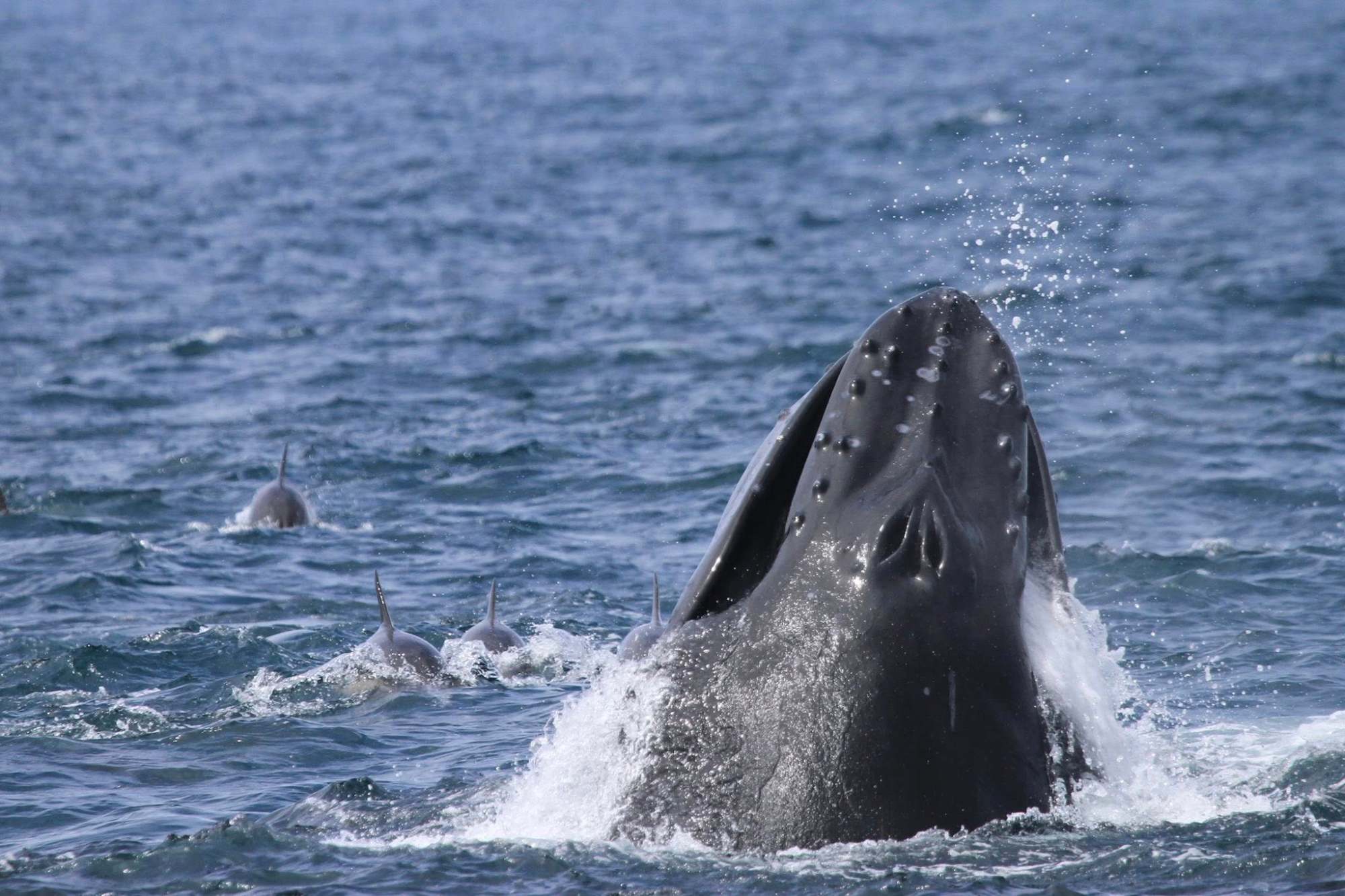
It is the single rarest, most electric question a guest can ask at the rail: are those orcas? For more than a decade off Oceanside, the honest answer has almost always been no. But almost always is not the same thing as never, and the sightings that do happen leave a mark on everyone who saw them. Here is what we tell guests when the question comes up.
The Short Answer
Yes, orcas (killer whales) do appear off Oceanside, but they are a rare sighting. We may go a full year, sometimes longer, without an encounter. When they do show up off the Southern California coast, the sightings tend to be brief, dramatic, and unforgettable, and they often happen anywhere between San Diego, Oceanside, Dana Point, and Long Beach in a single week as a small pod transits the area.
If you book a tour expecting to see orcas the way you would expect to see common dolphins, you will be disappointed. If you book expecting humpbacks, blue whales, gray whales, fin whales, common and Pacific white-sided dolphins, and the off chance that the radio crackles with an orca report, you will have a remarkable day.
What Kind of Orcas Are We Talking About?
Most orca sightings in Southern California are transient orcas, also called Bigg’s killer whales. Unlike the resident pods of the Pacific Northwest that specialize in salmon, the transient orcas that pass through our coast eat marine mammals: seals, sea lions, dolphins, smaller whales. They travel in small, tight family pods of two to ten animals and they move long distances along the coast.
When a Bigg’s pod transits south through Southern California, the sightings often come in clusters. A single pod might be spotted off Dana Point one morning, off Oceanside that afternoon, and off La Jolla the next day. Our captains stay in radio contact with crews up and down the coast, so when a pod is reported anywhere from Long Beach to San Diego, we hear about it within minutes.
There is a second type of orca occasionally documented in our waters: offshore orcas, a less-understood ecotype that hunts sharks and travels further from shore. These sightings are even rarer than transient encounters and almost never happen on a standard two hour tour. Our sister team in Dana Point has written a thorough primer on orca ecology and ecotypes if you want to dig deeper into the biology.
How Often Are Orcas Seen Off Oceanside?
The honest number: a handful of sightings per year along the entire Southern California coast in most years, with some years going long stretches without confirmed sightings. Sightings are not evenly distributed. They tend to cluster around the spring gray whale migration (when transient orcas occasionally follow gray whale mothers and calves) and around dolphin and sea lion concentrations in summer and fall.
For context: we run hundreds of tours a year, and orca sightings on a public Oceanside tour can be counted on one hand for most calendar years. When a sighting does happen, it is usually the single most memorable encounter of that boat’s entire season.
One sighting our sister operation up the coast documented carefully was the day a pod of killer whales appeared four miles off the Orange County coast. That is the kind of event that makes the local news and prompts every captain in the region to head out and look.
Why Are Orca Sightings So Rare Here?
Three reasons:
- Transient orcas cover huge distances. A single Bigg’s pod might range from Monterey down to Baja in a season. At any given moment, the odds that they are off our specific coast are low. They are simply somewhere else most of the time.
- They are quiet hunters. Transient orcas rely on stealth to hunt marine mammals. They do not vocalize the way Pacific Northwest resident pods do. They surface less obviously than a humpback or blue whale, and they can pass through an area without being noticed unless someone is in the right place at the right moment.
- Our local food web does not concentrate them here. The resident pods of the Salish Sea stay in one area because salmon do. Transients move because their prey moves. Southern California has plenty of sea lions and dolphins, but the orcas pass through to hunt rather than settling in.
Even with those odds, the coast is alive with whale and dolphin biology that makes any tour worthwhile on its own. Our ultimate guide to Oceanside’s marine wildlife walks through everything you can reliably expect to see.
What Time of Year Has the Best Orca Odds?
If you are specifically hoping to maximize your orca odds (with the caveat that the base rate is low no matter what), the late winter and spring window is your best statistical chance. Here is why:
- March through May: Gray whale migration. Gray whale mothers and calves move north along the coast. Transient orcas occasionally follow them, hunting calves in coordinated attacks. The famous sighting events at Monterey Bay during this window are part of this same pattern, and small pods sometimes work the same migration further south.
- September through November: Dolphin and sea lion concentrations. Large pods of common dolphins and increased sea lion activity attract transients passing through.
- Anytime a sighting cluster begins. Once a pod is confirmed in the area, the next few days are dramatically better odds than a random tour. If you have flexibility, watching for sighting reports and booking quickly during a cluster is the most effective strategy.
For most guests planning a single trip without flexibility, the right framing is to book on a date that works for the gray whale or blue whale you are likely to see, not the orca you might see. Our complete seasonal guide walks through what is realistic month by month.
Are Orcas Whales or Dolphins?
Orcas are the largest member of the dolphin family, scientifically. Taxonomically, they are toothed whales (Odontoceti) and members of the family Delphinidae. The common name “killer whale” stuck for historical reasons, but biologically they are dolphins. Their behavior reflects this: they are highly social, vocal in some ecotypes, and use coordinated group hunting strategies similar to other dolphin species. If you want a deeper read, our sister team has covered whether orcas are dolphins or whales.
This makes them the largest of the dolphin species we share a coast with. The same waters off Oceanside host common dolphins, Pacific white-sided dolphins, Risso’s dolphins, and bottlenose dolphins on a regular basis. Our breakdown of the types of dolphins you can see in Oceanside covers the ones you can actually expect to see.
What Would a Sighting Actually Look Like?
If an orca sighting happens on your tour, here is what you would experience. The captain would slow the boat well before approaching, then position the vessel at a respectful distance per NOAA guidelines. A transient pod usually surfaces in coordinated rhythm, breathing two or three times in a row before disappearing for several minutes. The dorsal fin of a mature male can reach six feet tall, taller than any other cetacean dorsal fin in the world, and it is what makes the sighting unmistakable.
Females and juveniles have smaller, more curved fins, often confused with large dolphins at distance until the size and the distinctive black-and-white pattern come into focus. A pod usually moves in a tight family group, surfacing within a few hundred feet of each other.
The naturalist on board would narrate what you are seeing, identify the ecotype if it is determinable, and explain the behavior as it unfolds. A typical sighting on this coast lasts anywhere from a few minutes to an hour or more depending on what the pod is doing.
What Else Will You Actually See?
This is the framing that matters most. The species you can reasonably expect on an Oceanside tour, depending on the season:
- Gray whales (December through April migration)
- Blue whales (May through October feeding)
- Humpback whales (year-round, with peak activity spring through fall)
- Fin whales (year-round, the second-largest animal on Earth)
- Minke whales (occasionally)
- Common dolphins (year-round, often in pods of hundreds)
- Pacific white-sided dolphins (year-round)
- Risso’s dolphins (less commonly)
- Bottlenose dolphins (coastal stretches)
- California sea lions (year-round)
- Harbor seals (year-round)
- Mola mola (ocean sunfish, summer)
- Brown pelicans, gulls, cormorants, shearwaters, and other seabirds
Our guide to blue whales in Oceanside walks through what to expect from the largest animal on Earth, which is far more accessible from our coast than orcas. If you want to understand the full range of wildlife the trip can deliver, our five amazing sights that aren’t whales covers the supporting cast.
The Honest Recommendation
Book your tour for the whales you can reliably expect to see, not for the orca you might see. Gray whales in winter and spring. Blue whales in summer and early fall. Humpbacks and fin whales year-round. The supporting cast of dolphins, sea lions, and seabirds on every trip. If you are on the water often enough, an orca sighting will eventually find you. But the right way to plan your trip is around the species this coast reliably delivers.
If a pod is reported anywhere in Southern California while you are in town, watch the sighting reports and grab a last-minute spot if you can. Those windows are short but they are by far the highest-confidence orca tour you can book.
Check our seasonal guide to pick a date that works, browse our two vessels, or reserve a sailing through our whale watching booking page. The radio is always on. If the orcas show up while you are aboard, you will know in minutes.