

Why Oceanside is Perfect for Year-Round Whale Watching
Oceanside has some of the best whale watching in California, and it’s always whale watching season here. Located along the Pacific migration route, Oceanside’s coastal waters are a highway for several whale species throughout the year. The city’s strategic position offers several advantages:
- Close proximity to deep ocean waters where whales feed
- Protection from harsh weather conditions
- Easy access to prime viewing areas
- Often calm seas for comfortable tours
The Complete Seasonal Guide to Oceanside Whale Watching
Winter Months (December to February): Gray Whale Migration Season
Winter brings one of nature’s most spectacular shows: the gray whale migration. Gray whales migrate along the entire California coast, with the southbound journey peaking around late December and January, followed by the northbound return through the spring. This makes winter one of the most reliable times for whale sightings in Oceanside. What to Expect:
- Peak Activity: January through March
- Species: Primarily California gray whales
- Behavior: Steady southward migration to breeding grounds in Mexico
- Success Rate: Sightings are very common this time of year
- Weather: Cool temperatures, occasional rain, calmer seas
Why Visit in Winter: Gray whales travel close to shore during their migration, usually passing about a mile off Oceanside’s coastline. Mothers with calves make the return journey north starting in February, and a mom and calf traveling together is a highlight of the season. We compare the two halves of the migration in winter vs. spring whale watching in Oceanside.
Spring Months (March to May): Peak Whale Watching Season
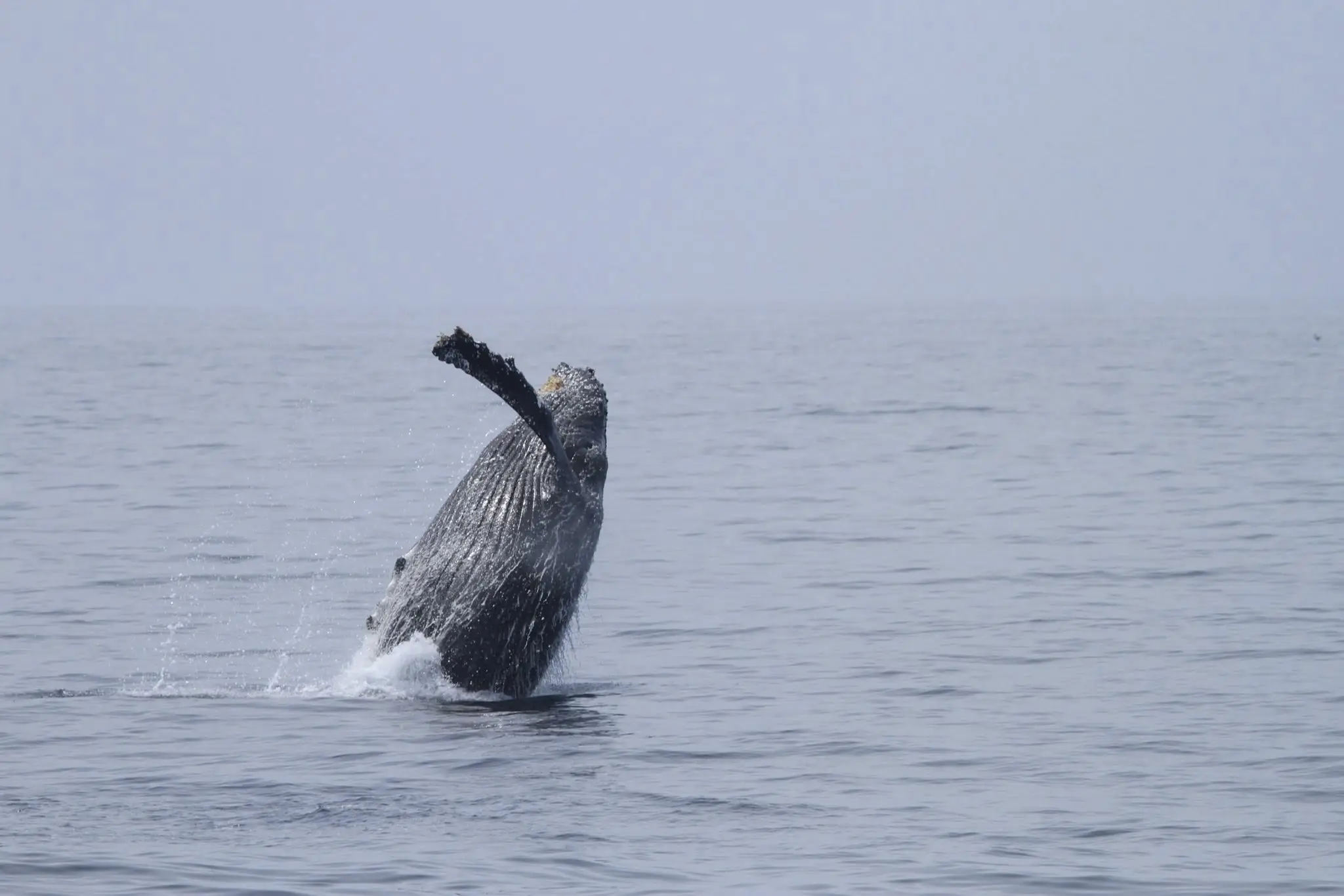
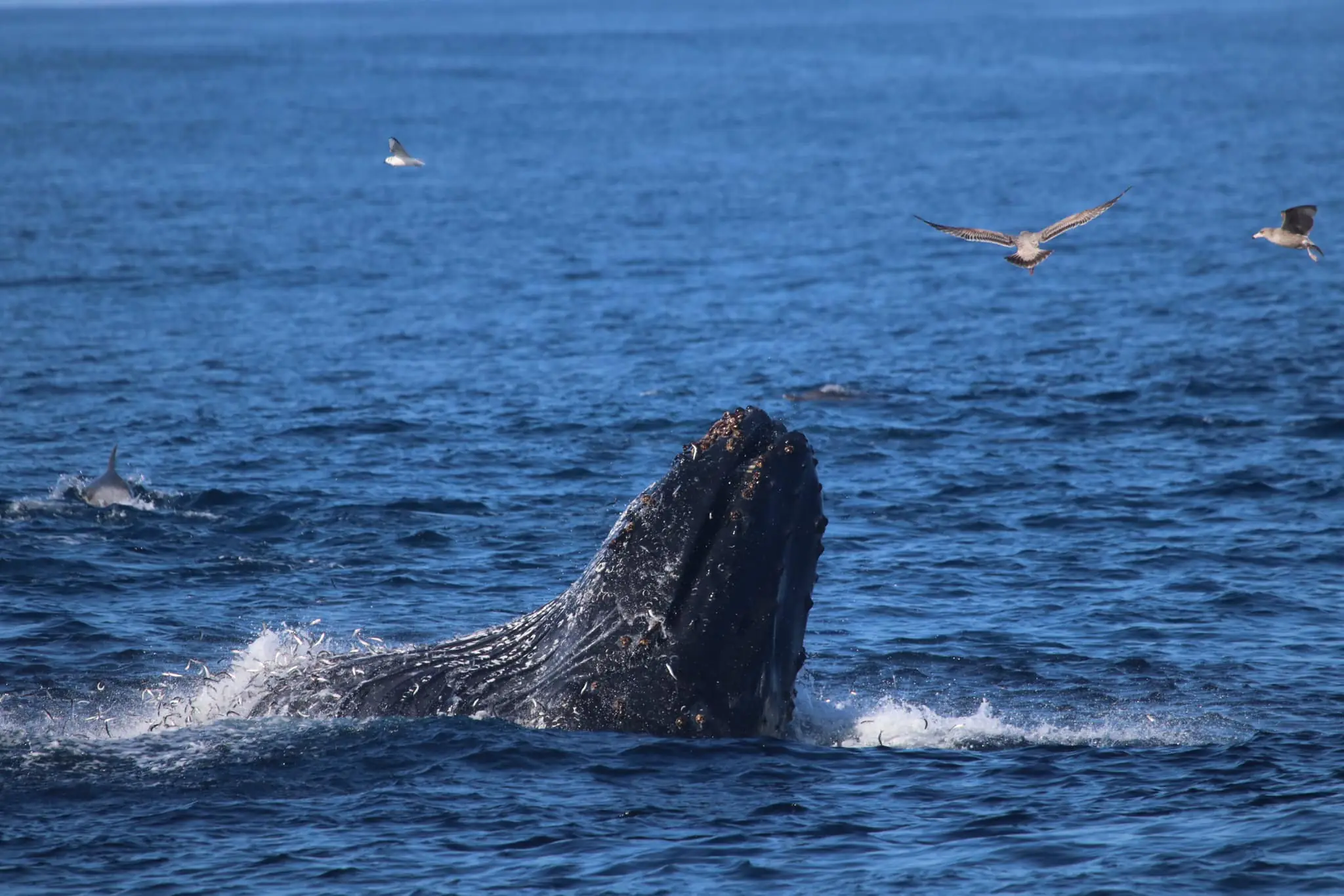
Spring is one of the best times of year for whale watching in Oceanside. Humpback whales feed along the California coast, generally from spring through fall, before migrating south to their breeding and calving grounds in the warm waters off Mexico and Central America for the winter. Some humpbacks stay off Oceanside all year, and as spring arrives, more of them show up here to feed. What to Expect:
- Peak Activity: March through May
- Species: Gray whales (northbound), humpbacks, fin whales, occasional blue whales
- Behavior: Active feeding, breaching, and playful interactions
- Success Rate: Excellent odds of sightings during peak season
- Weather: Mild temperatures, clear skies, excellent visibility
Spring Highlights:
- Gray whale mothers with newborn calves returning north
- More humpback whales arriving to feed
- Dolphins become more active and playful
- Perfect weather conditions for photography
Summer Months (June to August): Blue Whale and Humpback Season
In summer, Oceanside’s waters become a feeding ground for some of the largest animals in the ocean. Fin whales are here all year round and join the summer feeding too. What to Expect:
- Peak Activity: July and August
- Species: Blue whales, humpback whales, fin whales, dolphins
- Behavior: Intensive feeding, dramatic breaching, longer surface times
- Success Rate: High likelihood of sightings
- Weather: Warm, sunny conditions, occasional marine layer
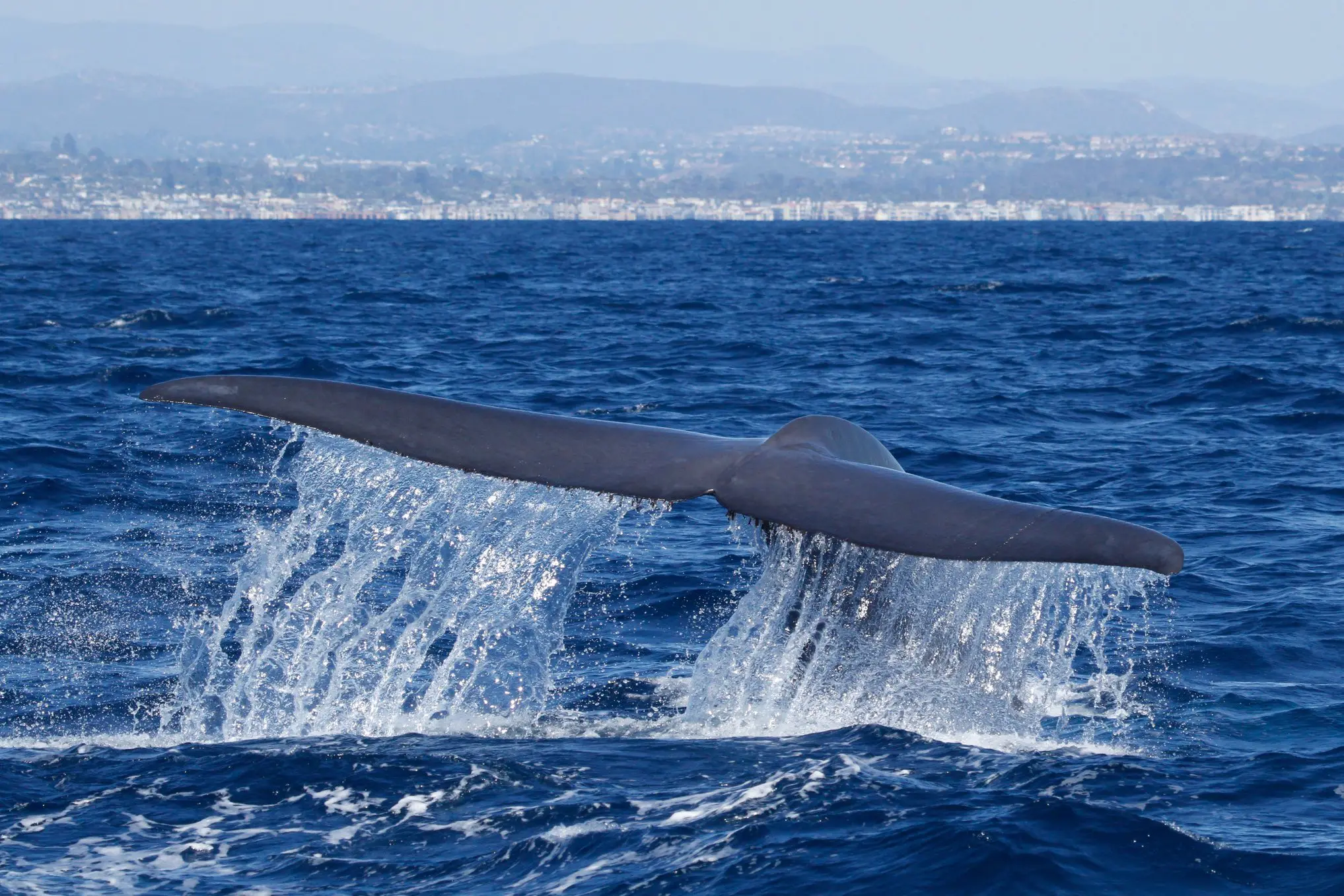
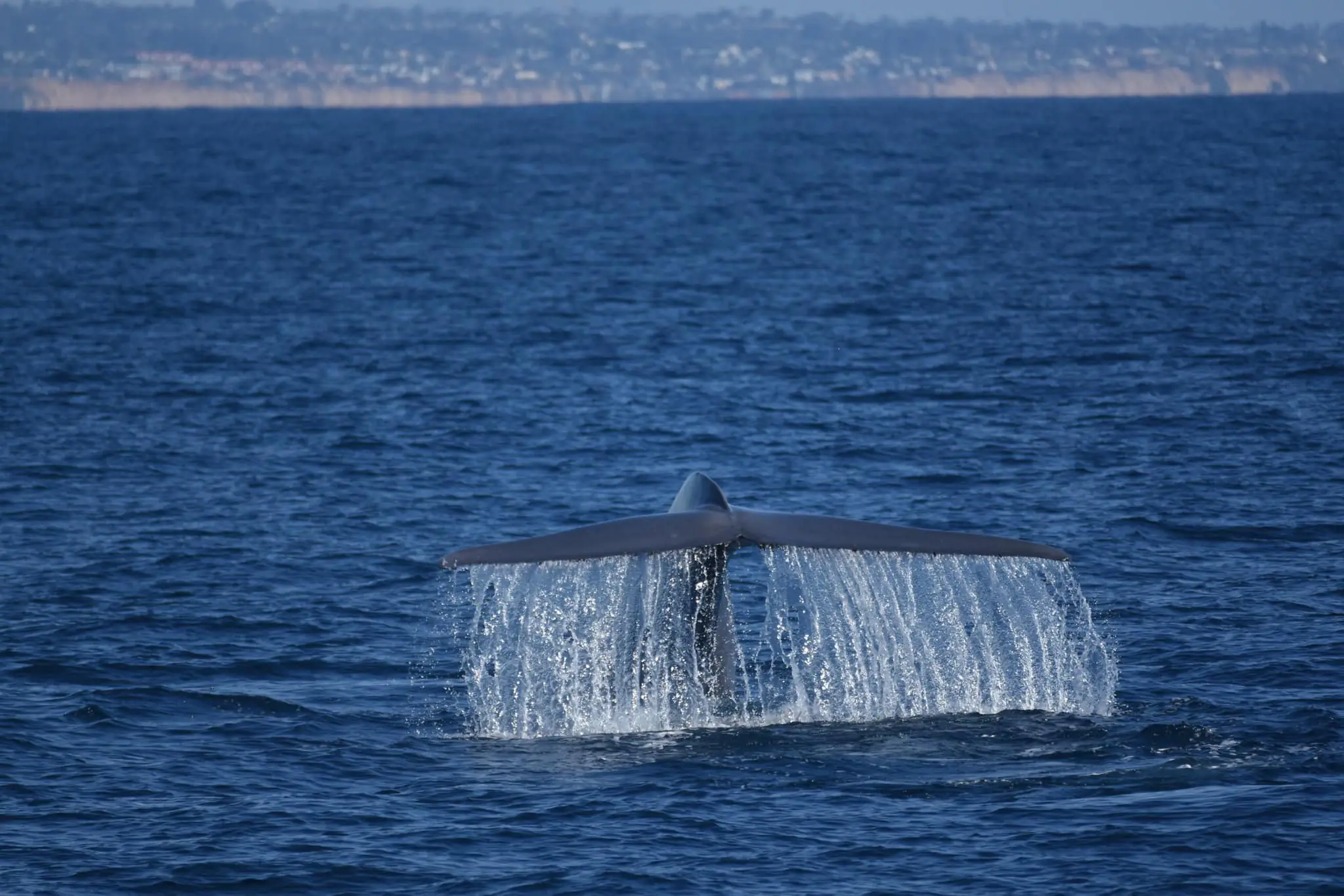
Summer Adventures: Blue whales, the largest animals ever to live on Earth, arrive to feed on krill. They can reach 100 feet long. Humpback whales are busy too, and you may see them breach and slap their tails. Our guide to whale watching in Oceanside in July covers the peak blue whale weeks.
Fall Months (September to November): Extended Feeding Season
Fall brings good whale watching, fewer crowds and often the calmest seas of the year. Our guide to whale watching in Oceanside in September covers the first month of it. What to Expect:
- Peak Activity: September and October
- Species: Humpback whales, fin whales, occasional blue whales
- Behavior: Continued feeding before southern migration
- Success Rate: Sightings remain common into fall
- Weather: Warm days, calm seas, crystal-clear visibility
Fall Benefits:
- Smaller tour groups for more intimate experiences
- Whales often linger longer at the surface
- Perfect conditions for photography and videography
- Comfortable temperatures both on land and sea
Monthly Whale Watching Calendar
January and February
Best For: Gray whale migration viewing Highlight: Gray whales passing Oceanside on their way south
March and April
Best For: Peak whale watching season Highlight: Gray whale mothers with calves, more humpbacks arriving
May and June
Best For: Transition period with multiple species Highlight: Blue whales start arriving while humpbacks, fin whales and dolphins are already here
July and August
Best For: Blue whale encounters Highlight: Largest whales on Earth visit Oceanside waters
September and October
Best For: Calm seas and extended feeding Highlight: Humpback whales at their most active
November and December
Best For: Early gray whale migration Highlight: Beginning of gray whale season with smaller crowds
Planning Your Perfect Oceanside Whale Watching Experience
Choosing Your Tour Time
Whales move around the clock, so there is no single best hour to go. Departure times change through the year, so check current times on our whale watching cruise page.
Morning Tours
- Calmest sea conditions
- Best visibility and lighting for photography
- A gentler ride if you are prone to seasickness
- Cooler temperatures in summer
Afternoon Tours
- Warmer weather conditions
- Good for families with children
- Often less crowded than morning tours
- Extended daylight hours in summer
What to Bring
Essential Items:
- Sunscreen and sunglasses
- Light jacket or windbreaker
- Camera with zoom lens
- Binoculars for closer viewing
- Seasickness medication (if needed)
- Water and light snacks
Seasonal Additions:
- Winter: Warm layers, waterproof jacket
- Summer: Hat, extra water, cooling towel
- Spring/Fall: Light layers for changing conditions
Booking Your Oceanside Whale Watching Adventure
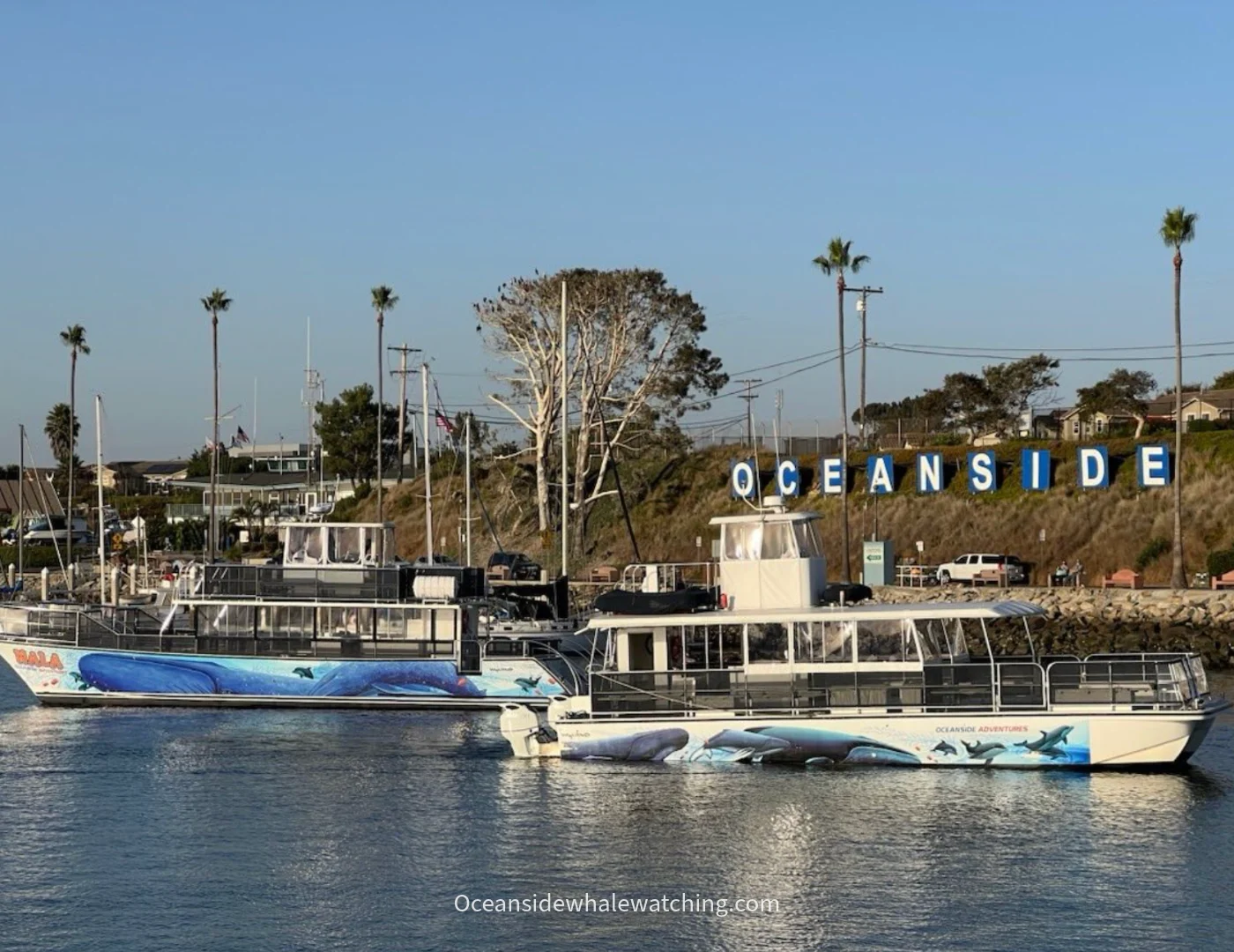
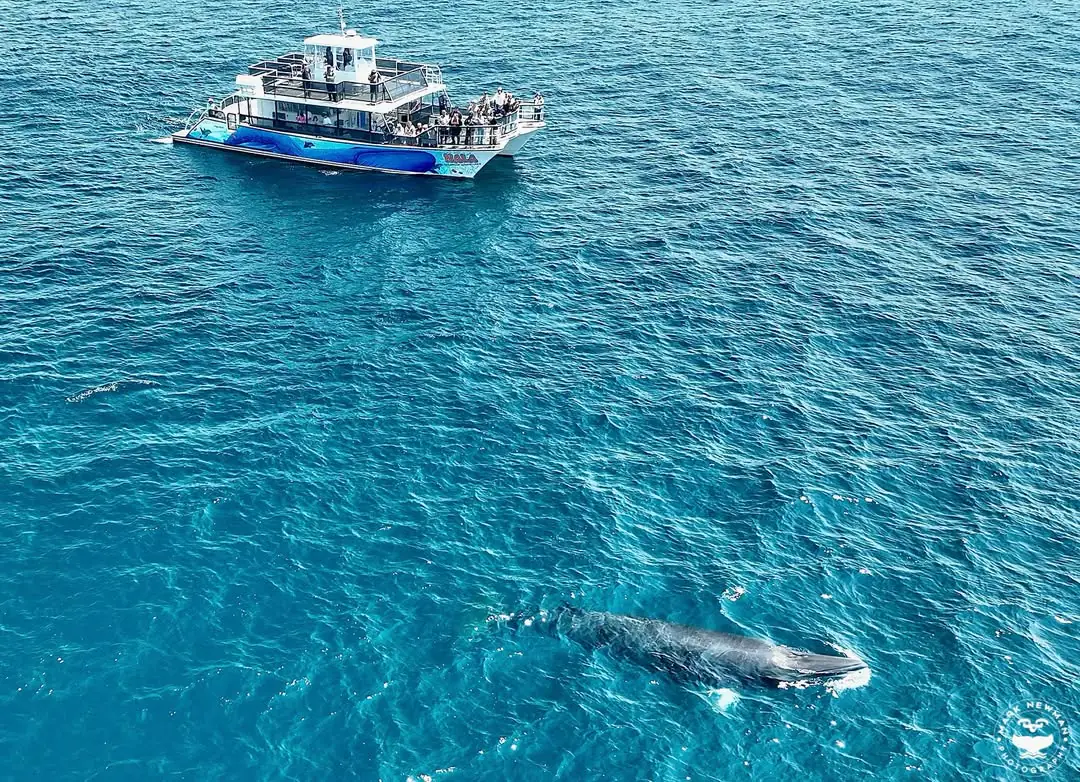
Book your whale watching tour with Oceanside Adventures for a two-hour trip aboard NALA, our 63-foot double-deck catamaran. Tour Details:
- Trips all year round
- Two-hour tours narrated by our captains, who are certified naturalists
- Spacious catamaran with covered seating areas
- Family friendly, with no age limit (we don’t recommend it for children 2 and under)
- Departure times change with the season, so check the cruise page
Special Experiences: For a family party, a couple’s trip or a company outing, book a private charter and have the whole boat for your group.
Expert Tips for Maximum Whale Watching Success
Timing Your Visit
- Best Overall Success: March through May
- Largest Whales: July through September
- Fewest Crowds: November through February
- Calmest Seas: September through November
Weather Considerations
- Check marine forecasts before booking
- Morning tours typically offer calmer conditions
- Overcast days can provide excellent viewing (less glare)
- Avoid tours during high wind or small craft advisories
Photography Tips
- Bring a camera with good zoom capabilities
- Shoot in burst mode for action shots
- Focus on the water where whales last surfaced
- Be patient: the best shots come to those who wait
Conservation and Responsible Whale Watching
We follow the Marine Mammal Protection Act, so we stay 100 yards from whales (some still choose to swim up to the boat), and we never touch, swim with or feed wildlife. Our captains, who are certified naturalists, keep a distance that lets the animals go about their day undisturbed. Choosing an operator that follows these rules supports marine conservation and helps protect whales for future generations.
Making Your Oceanside Whale Watching Dreams Come True
Some people come for the sheer size of a blue whale, some for breaching humpbacks, and some for the gray whale migration. Off Oceanside, there is something to look for in every month of the year. The best time for whale watching in Oceanside depends on what you hope to see. For the highest probability of whale sightings, plan your visit between March and May. For the largest whales, come in summer, when the blue whales are here. And for a more intimate experience with fewer crowds, consider the shoulder seasons of fall and winter. Whenever you visit, our captains know these waters well, and we have an unsurpassed record for finding whales and dolphins off Oceanside. Reserve your spot ahead of time, because trips often sell out.
To plan your trip, visit Oceanside Adventures to book your tour and learn more about our year-round whale watching in Oceanside, California.
What Our Crew Has Logged Since 2015
Our crew logs the sightings from each trip, going back to July 2015. Across more than 3,000 days on the water, the pattern by species looks like this:
- Gray whales: December to April, with the most sightings in January and February. The first ones usually pass in late November.
- Blue whales: May to November, with the most sightings in June and July.
- Fin whales: logged in every month, most often from March to June.
- Humpback whales: logged in every month, with more sightings in November.
- Minke whales: mostly May to October.
- Dolphins: on most trips, all year. Common dolphins often travel in groups of hundreds.
Sightings change from day to day and are never guaranteed. See the full sightings log, or check the latest sightings before you book.
For a closer look at each winter month, read our guides to whale watching in December, January, February and March, or see whale watching season month by month.