BEYOND THE BLOWHOLE: THE ULTIMATE GUIDE TO OCEANSIDE’S MARINE WILDLIFE
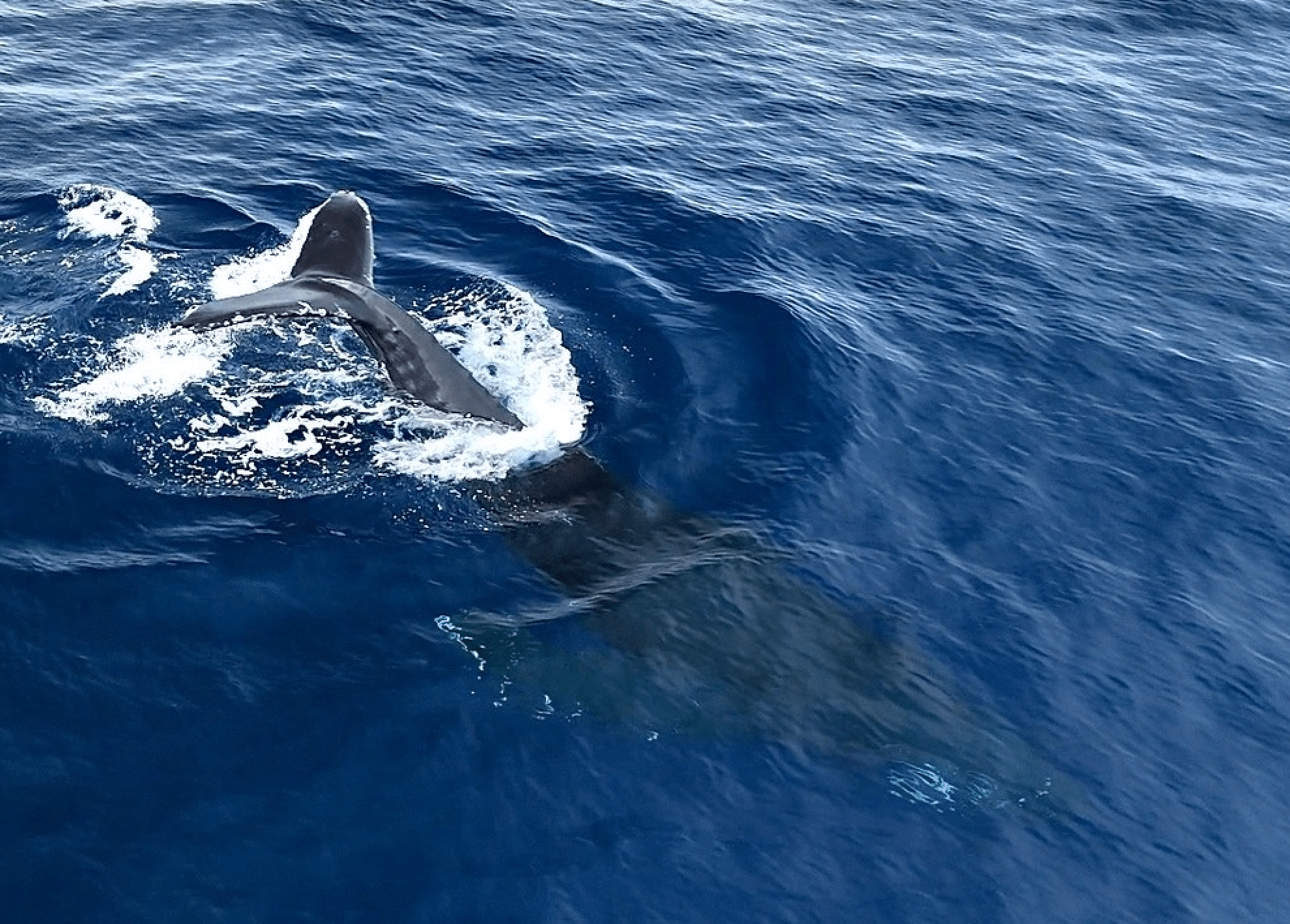
When most people book a trip with Oceanside Adventures, they have one specific goal in mind: seeing a whale. And while catching sight of a 60,000-pound leviathan breaching the surface is truly a bucket-list experience, the waters off the coast of Oceanside are teeming with a vibrant, year-round cast of marine characters.
Because Oceanside sits adjacent to deep-water trenches that push nutrient-rich water up to the surface, it acts as an all-you-can-eat buffet for sea life. Here is a breakdown of the incredible wildlife—both whales and non-whales—you might encounter on your next coastal safari.
The Giants (Whales)
Oceanside is uniquely positioned along the “Marine Highway,” giving us year-round opportunities to spot different species of whales depending on the season:
-
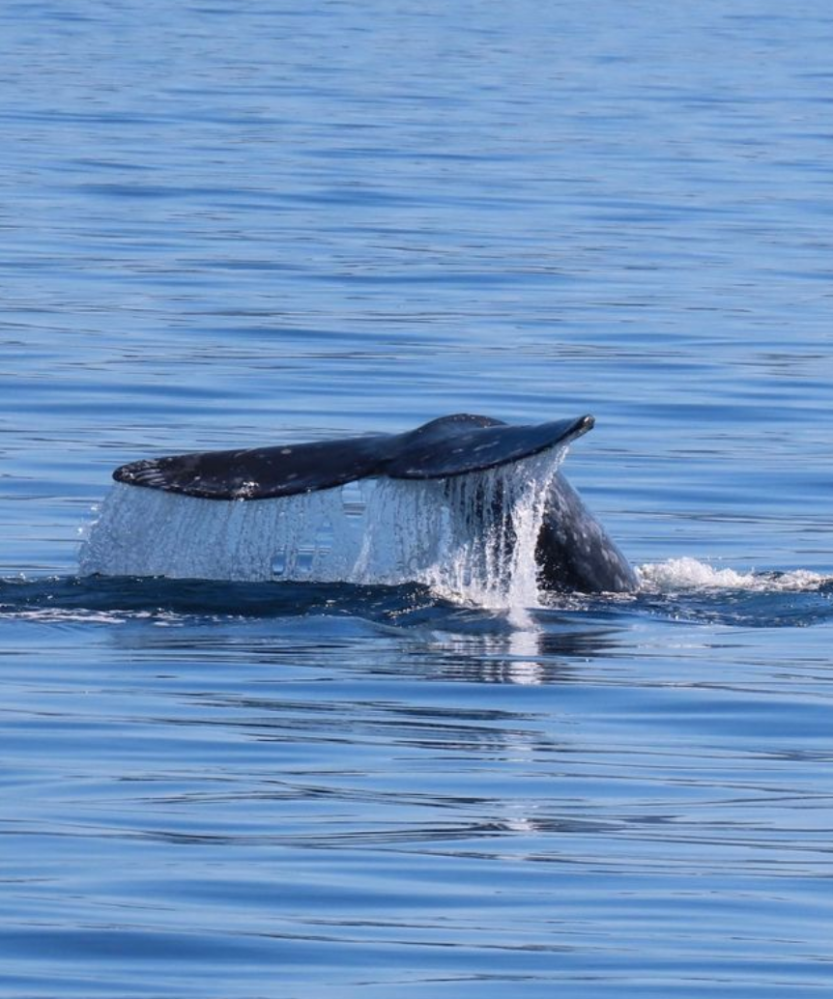
Gray Whales (Nov–April): The stars of our winter/spring season. These barnacle-covered beauties migrate thousands of miles from Alaska to Mexico and back, often traveling close to the Oceanside shoreline.
-
Blue Whales (May–Oct): The largest animals to ever live on Earth! They arrive in the summer months to gorge on massive blooms of krill. Seeing their 30-foot, straight-up blow spout is unforgettable.
-
Fin Whales: Known as the “greyhounds of the sea,” these sleek, incredibly fast whales are the second-largest species on earth and can be spotted year-round off our coast.
-
Humpback Whales: The acrobats of the whale world! Humpbacks are famous for their dramatic breaches and surface tail slaps. We see them year-round, with a strong peak in the fall.
-
Minke Whales: These smaller, elusive whales are fast and unpredictable, but always a treat to spot darting through the water.
🐬 The Acrobats (Dolphins)
Southern California boasts some of the highest dolphin populations in the entire world. In fact, we have a 95%+ chance of encountering dolphins on every trip!
-
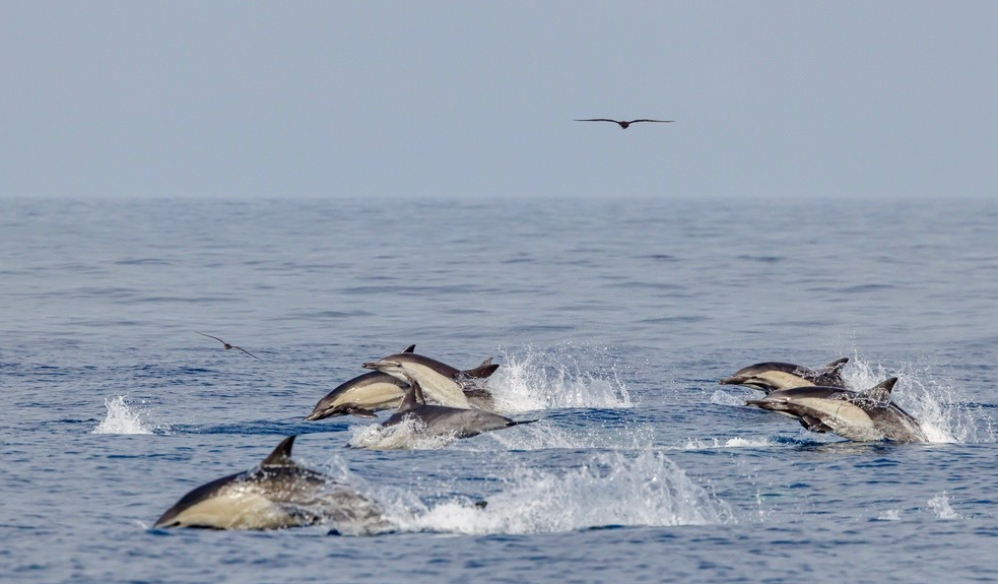
Common Dolphins: These are the energetic stars of the show. They travel in massive “mega-pods” that can number in the hundreds or thousands, frequently surfing the wake of our catamaran.
-
Bottlenose Dolphins: The classic, larger dolphins you likely recognize from movies. They tend to stick closer to shore in smaller, tighter pods.
-
Risso’s Dolphins: These larger, blunt-nosed dolphins are born gray but turn white as they age due to the accumulation of battle scars from their favorite food: squid!
-
Pacific White-Sided Dolphins: Highly acrobatic and incredibly fast, recognizable by their distinct black and white “suspenders” markings.
🦭 The Oddballs & Locals (Non-Whales)
You don’t have to look hard to find the locals hanging out just past the Oceanside Harbor jetties.
-
Mola Mola (Ocean Sunfish): One of the strangest fish in the sea. They look like giant, flat pancakes with fins. You will often see them floating sideways on the surface of the water, sunbathing to warm up after deep dives.
-
California Sea Lions: You’ll likely hear them barking before you even leave the harbor! These playful “sea dogs” love to lounge on the bait receivers and navigation buoys.
-
Sharks: While rarer to spot from the surface, sharp-eyed passengers occasionally catch a glimpse of a Mako, Thresher, or even a juvenile Great White cruising the coastal waters.

🦅 The Aerial Assault (Birds)
Don’t forget to look up! Our naturalists actually use pelagic (ocean-going) birds as a treasure map to find the whales and dolphins.
-
Brown Pelicans & Cormorants: If you see a massive flock of these birds dive-bombing the water, there is a bait ball below. And where there is bait, there are usually dolphins or whales pushing them to the surface!
-
Terns & Gulls: These agile flyers hover over the chaos of a feeding frenzy, picking up the scraps left behind by the marine mammals.