
HOW OCEANSIDE’S COASTAL GEOGRAPHY HELPS SPOT WHALES
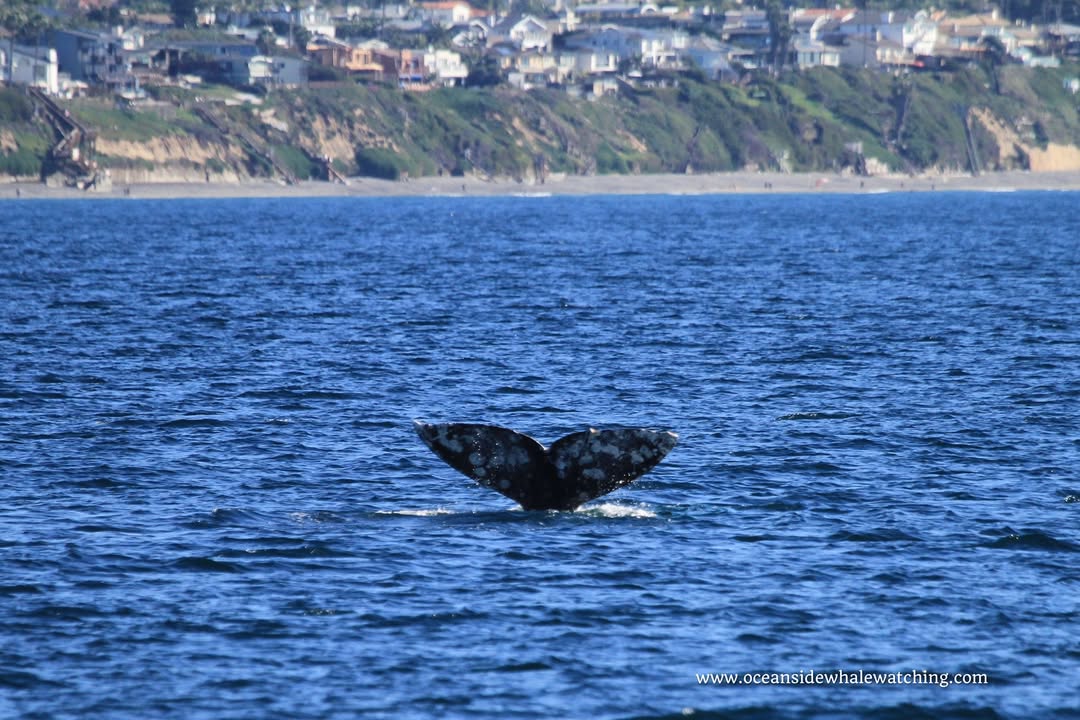
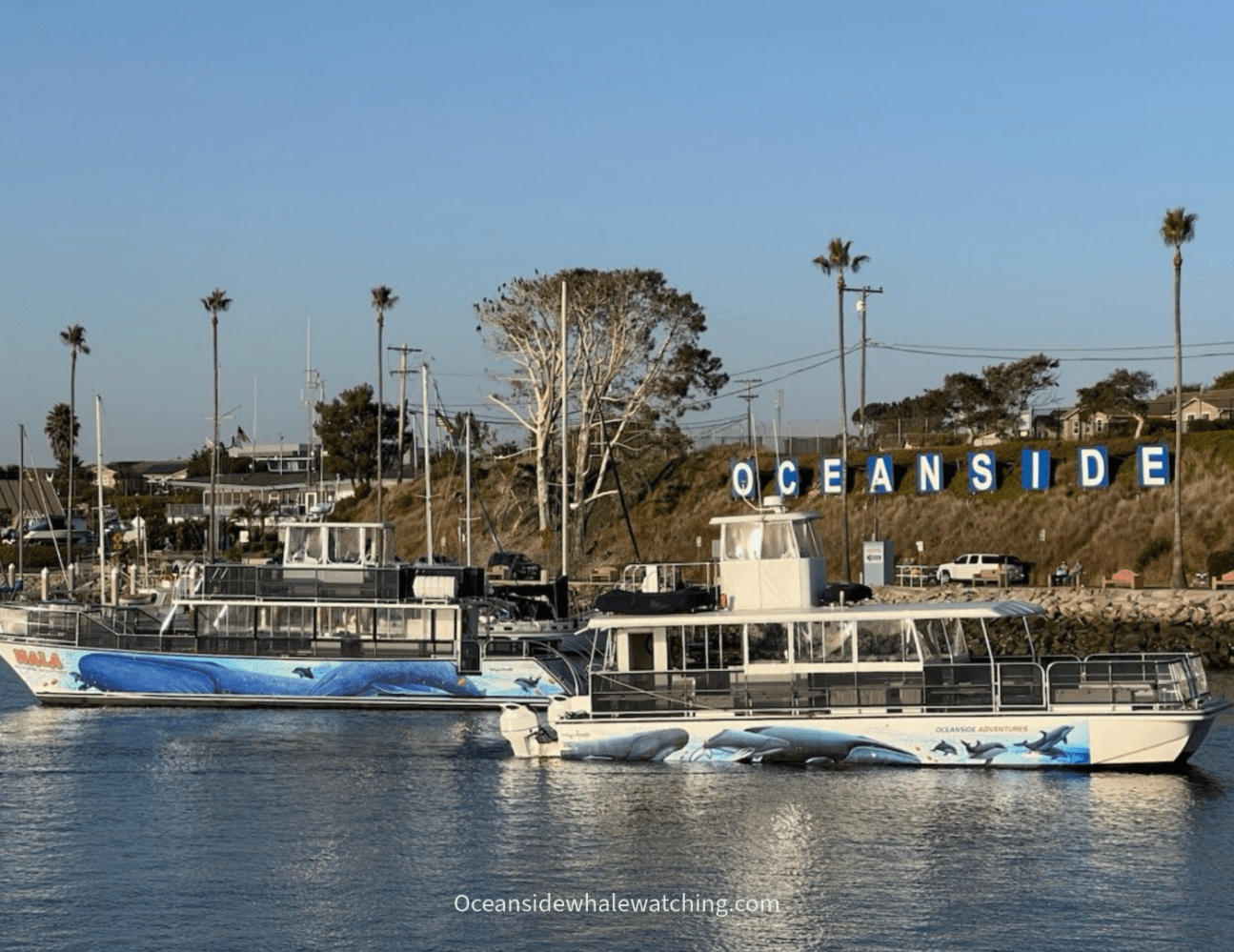
You might wonder—why is Oceanside such a great place for whale watching? It all comes down to the natural geography of the coast and ocean just beyond the harbor.
Quick Access to Deep Waters
Oceanside’s coastal shelf drops off relatively close to shore, which is great news for whale watchers. Many large marine mammals, including blue whales and humpbacks, prefer deeper water. Because of the seafloor structure here, you don’t need to travel far to be in prime viewing territory. This means more time spotting wildlife and less time motoring out.
Nutrient-Rich Currents Feed Marine Life
Oceanside’s location along the Pacific coastline benefits from cool, nutrient-rich upwellings—currents that bring deep ocean nutrients to the surface. These conditions attract plankton, krill, and baitfish, which in turn draw whales, dolphins, and other predators. The result? A thriving ecosystem just off the coast.
Whales on the Move
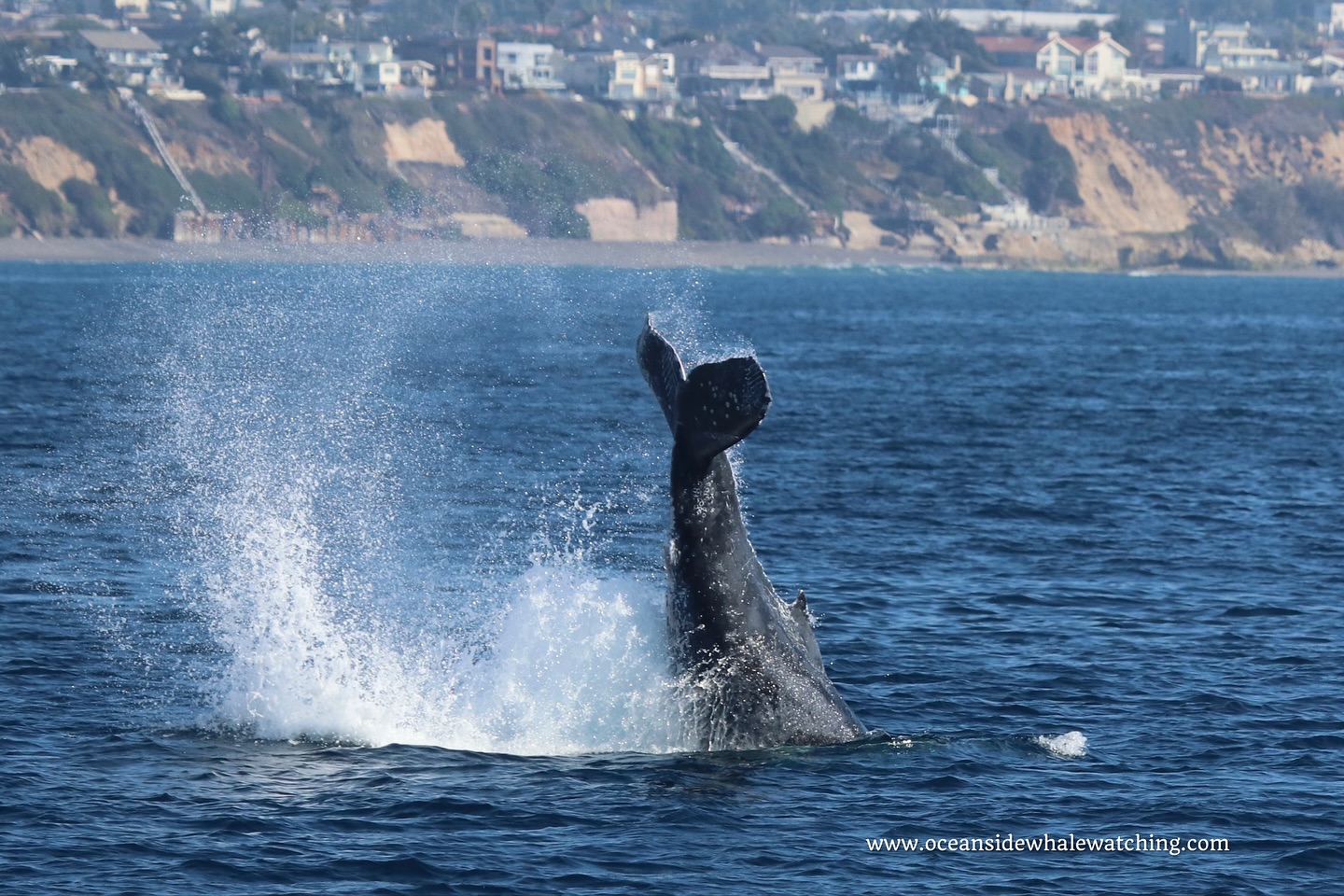
Oceanside sits directly along the migratory path of gray whales traveling between Alaska and Baja California. This makes winter and spring ideal for gray whale sightings. In summer, deeper waters attract blue whales and even fin whales, while dolphins—especially commons and bottlenose—can be seen year-round.
Local Insight from Seasoned Captains
The crew at Oceanside Adventures knows the local waters intimately. Their understanding of where whales tend to surface, how to track movement, and when conditions are most favorable is a key reason for the high sighting success rate.
If you’re looking for a whale watching experience that combines nature, convenience, and expert insight, Oceanside’s unique geography and coastal setting make it a standout destination.